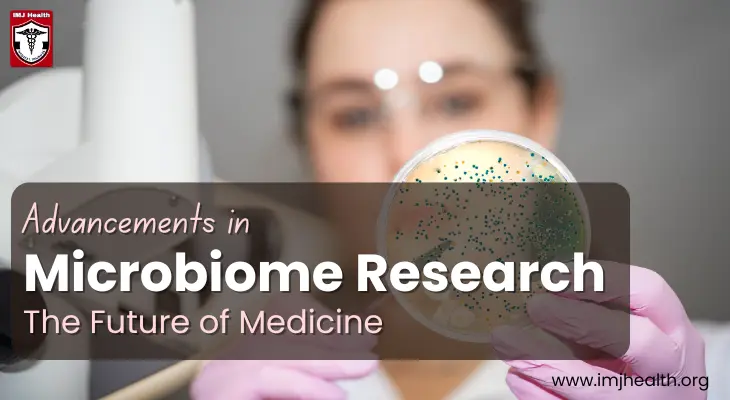
Microbiome research has become one of the most exciting fields in medicine. The human body is home to trillions of microorganisms, including bacteria, viruses, fungi, and other microbes, which form a unique ecosystem called the microbiome. These tiny organisms play a crucial role in digestion, immunity, mental health, and overall well-being. With advancements in microbiome research, scientists are discovering new ways to treat diseases, improve gut health, and even influence brain function.
What is the Microbiome?
The microbiome refers to the collection of all microbes living inside and on the human body. The most studied microbiome is in the gut, but other microbiomes exist on the skin, in the mouth, and even in the lungs. These microbes help digest food, fight harmful pathogens, and regulate immune responses.
Why Microbiome Research is Important
Scientists now understand that a healthy microbiome is essential for good health. Disruptions in the microbiome can lead to various diseases, including obesity, diabetes, inflammatory bowel disease (IBD), depression, and even cancer. Research is focused on finding ways to restore and maintain a balanced microbiome to prevent and treat diseases.
Key Advancements in Microbiome Research
1. Gut Microbiome and Disease Treatment
- Scientists are exploring how gut bacteria influence diseases like diabetes, autoimmune disorders, and heart disease.
- Studies have shown that certain bacterial strains can help regulate blood sugar and reduce inflammation.
- Researchers are developing probiotics and prebiotics to restore gut health in patients with digestive disorders.
2. Microbiome-Based Therapies
- Fecal Microbiota Transplantation (FMT): This treatment involves transferring healthy gut bacteria from one person to another to treat infections like Clostridium difficile (C. diff).
- Microbiome-Targeted Drugs: New medicines are being developed to modify gut bacteria and treat diseases such as cancer and IBD.
3. The Gut-Brain Connection
- The gut microbiome plays a crucial role in mental health, influencing conditions like anxiety, depression, and Alzheimer's disease.
- Scientists have found that certain gut bacteria produce neurotransmitters like serotonin and dopamine, which affect mood and behavior.
- Future treatments may include using probiotics and microbiome-based therapies to support mental well-being.
4. Microbiome and Immunity
- A strong microbiome helps the immune system recognize harmful invaders and fight infections.
- Research suggests that gut bacteria can enhance the effectiveness of vaccines.
- Scientists are studying how the microbiome influences autoimmune diseases like rheumatoid arthritis and multiple sclerosis.
5. Microbiome and Cancer Research
- Researchers have discovered that gut bacteria can affect how well cancer treatments, such as immunotherapy, work.
- Certain bacteria strains can boost the body's ability to fight tumors.
- Scientists are working on microbiome-based cancer treatments that could improve survival rates.

6. The Role of Diet in Microbiome Health
- A healthy diet rich in fiber, fruits, and fermented foods supports a diverse and beneficial microbiome.
- Western diets high in processed foods and sugar can harm gut bacteria and increase the risk of disease.
- Personalized nutrition based on microbiome testing is emerging as a new approach to improve overall health.
7. Advances in Microbiome Research Tools
- Scientists are using metagenomics (DNA sequencing technology) to study the microbiome in greater detail.
- Artificial intelligence (AI) and machine learning help analyze microbiome data and predict disease risks.
- Lab-grown microbiomes allow researchers to test new treatments without using human subjects.
Challenges in Microbiome Research
While the field of microbiome research is advancing rapidly, there are still challenges:
- Each person’s microbiome is unique, making it difficult to develop one-size-fits-all treatments.
- More research is needed to understand how microbiomes interact with genetics and lifestyle.
- Regulatory approval for microbiome-based therapies takes time.
The Future of Microbiome Research
The future of medicine will likely include microbiome-based treatments for a wide range of diseases. Potential developments include:
- Personalized medicine based on an individual's microbiome profile.
- Synthetic probiotics designed to deliver specific health benefits.
- Microbiome engineering to remove harmful bacteria and introduce beneficial microbes.
How IMJ Health Can Support Microbiome Research
IMJ Health provides a reliable platform for publishing high-quality microbiome research. Whether you are studying gut bacteria, microbiome-based therapies, or personalized nutrition, IMJ Health ensures your findings reach a global audience.
Why Publish with IMJ Health?
- Fast & Transparent Peer Review – Ensuring quick publication of your work.
- Global Reach – Your research is indexed in major databases.
- Open Access – Maximizing the impact of your discoveries.
- Expert Support – Guidance on manuscript preparation and ethical compliance.
By publishing with IMJ Health, researchers can contribute to the growing field of microbiome research and help shape the future of medicine.