
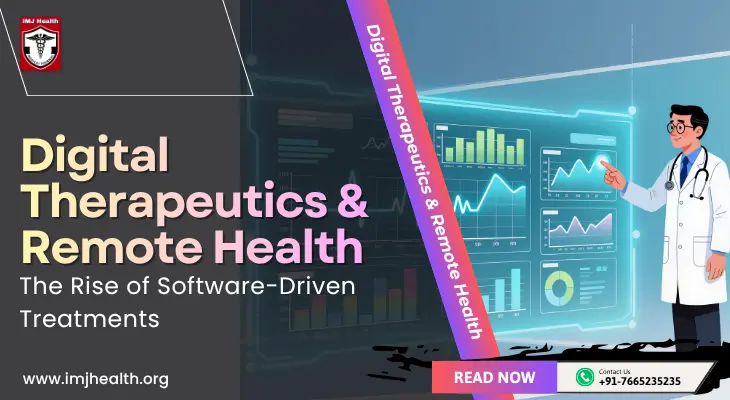
In the age of connected healthcare, Digital Therapeutics (DTx) is emerging as one of the most transformative innovations in medicine. Unlike traditional treatments that rely solely on drugs or medical devices, digital therapeutics use software-based programs to prevent, manage, or treat diseases.
When combined with Remote Health Monitoring, these solutions provide personalized, data-driven care that extends far beyond hospital walls. The rise of DTx marks a shift toward a new era of medicine — one that is intelligent, interactive, and patient-centric.
What Are Digital Therapeutics?
Digital Therapeutics (DTx) are evidence-based therapeutic interventions delivered through digital platforms like mobile apps, wearable devices, or web-based programs. They are designed to prevent, manage, or treat medical disorders by changing patient behavior, improving adherence, or supporting clinical decision-making.
Unlike general wellness apps, digital therapeutics are clinically validated, often undergo regulatory approvals and indexing (e.g., FDA or CE certification), and are sometimes prescribed alongside or instead of medication.
Examples of Digital Therapeutics include:
- Cognitive-behavioral therapy (CBT) apps for depression and anxiety.
- Mobile programs for managing diabetes or hypertension.
- Software-driven rehabilitation for stroke recovery.
- AI-assisted platforms for sleep disorders or addiction treatment.
The Connection between Digital Therapeutics and Remote Health
Remote Health — which includes remote patient monitoring, telemedicine, and virtual care — complements digital therapeutics perfectly. Together, they enable continuous care by tracking patients in real time, analyzing their data, and delivering personalized interventions.
For example:
A patient with Type 2 diabetes uses a digital therapeutic app that provides dietary suggestions, monitors glucose via a wearable sensor, and alerts clinicians if readings cross thresholds. This seamless integration ensures timely intervention and better outcomes, even without in-person visits.
Applications of Digital Therapeutics in Modern Medicine
1. Chronic Disease Management
Digital therapeutics are widely used for conditions like diabetes, hypertension, cardiovascular disease, and COPD. These platforms help track symptoms, promote adherence to medication, and encourage lifestyle changes through AI-powered recommendations and remote support.
2. Mental Health and Behavioral Therapy
Apps based on Cognitive Behavioral Therapy (CBT), mindfulness, and guided counseling are proving highly effective for anxiety, depression, PTSD, and addiction. These interventions offer privacy, affordability, and 24/7 accessibility — overcoming major barriers in mental healthcare.
3. Neurological Rehabilitation
After a stroke or brain injury, patients can engage in software-guided rehabilitation exercises at home. Sensors and motion-tracking devices monitor progress, while algorithms adjust therapy intensity to match recovery pace.
4. Sleep and Lifestyle Disorders
DTx tools targeting insomnia, obesity, and smoking cessation are showing impressive results. For instance, clinically tested apps can deliver structured programs that help users change behavioral patterns and sustain long-term improvements.
5. Remote Monitoring for Elderly and At-Risk Patients
Through connected wearables and digital platforms, elderly patients or those with chronic conditions can be remotely monitored for vital signs, mobility, and adherence. Caregivers and clinicians receive automated alerts in case of irregularities — reducing hospitalizations and improving safety.
How Do Digital Therapeutics Work?
Digital therapeutics follow a structured, clinically guided model of care:
- Patient Data Collection – Devices, wearables, or apps collect physiological and behavioral data.
- Personalized Intervention – AI algorithms analyze the data and deliver targeted feedback, exercises, or reminders.
- Monitoring and Adjustment – The system adapts to user progress and provides continuous therapeutic support.
- Clinical Oversight – Physicians can access dashboards for real-time patient monitoring and treatment modification.
This closed-loop feedback system makes DTx one of the most dynamic and adaptive forms of therapy available today.
Benefits of Digital Therapeutics & Remote Health
- Accessibility: Enables healthcare delivery in rural and remote areas.
- Personalization: Treatments adapt to individual behavior and progress.
- Continuous Monitoring: Provides real-time data for proactive intervention.
- Affordability: Reduces costs associated with in-person visits and hospital stays.
- Evidence-Based: Supported by clinical trials and regulatory validation.
- Patient Engagement: Empowers individuals to take control of their health journey.
Challenges and Considerations
Despite the promise, DTx faces a few key challenges:
- Data Privacy & Cybersecurity: Protecting sensitive patient data from breaches.
- Clinical Validation: Ensuring all products meet rigorous scientific and ethical standards.
- Regulatory Approval: Different countries have varying digital health approval frameworks.
- Digital Literacy: Patients and healthcare providers need adequate training to use DTx tools effectively.
- Integration with Traditional Care: Harmonizing software-driven therapy with conventional medical systems.
Future of Software-Driven Treatments
The future of healthcare will be increasingly software-defined, with AI, machine learning, and predictive analytics driving therapeutic outcomes.
Upcoming innovations include:
- AI-guided adaptive therapies that adjust treatment intensity based on patient feedback.
- Virtual reality (VR)-based therapeutics for pain, phobias, and rehabilitation.
- Blockchain-secured medical data systems ensuring transparency and privacy.
- Integration with genomics and microbiome research for hyper-personalized, data-driven treatment.
By 2030, experts predict that Digital Therapeutics will become a mainstream component of precision medicine, reshaping clinical practice and patient engagement worldwide.

PhD and Research Scope in Digital Therapeutics and Remote Health
The field of Digital Therapeutics (DTx) and Remote Health presents vast opportunities for doctoral research and innovation, sitting at the intersection of medicine, data science, behavioral psychology, and software engineering. As healthcare systems worldwide embrace digitization, the demand for experts capable of designing, validating, and regulating software-driven treatments continues to grow exponentially.
PhD candidates in this domain can contribute to transformative advancements that redefine how diseases are diagnosed, treated, and managed. Below are key areas of potential research and development:
1. AI-Driven Personalized Treatment Algorithms
One of the most promising areas of study involves developing artificial intelligence (AI) and machine learning (ML) models that tailor therapeutic interventions to individual patient profiles.
- Research may focus on adaptive algorithms that modify treatment intensity, dosage reminders, or behavioral prompts based on real-time user data.
- Projects can also explore predictive analytics to forecast disease progression or detect early signs of relapse in chronic or mental health conditions.
This field not only enhances personalization but also supports evidence-based precision medicine at a population scale.
2. Behavioral Data Analytics for Mental Health
Digital Therapeutics has shown significant potential in addressing mental and behavioral health challenges such as anxiety, depression, addiction, and insomnia.
- PhD research can analyze behavioral data — like activity levels, sleep patterns, and emotional feedback — to develop predictive tools that support mental well-being.
- Scholars can investigate how Cognitive Behavioral Therapy (CBT) and other psychotherapeutic models can be digitized, gamified, and made more accessible through mobile and web applications.
This area bridges clinical psychology and data analytics, paving the way for scalable mental health interventions.
3. Integration of DTx with Telemedicine and Hospital Systems
The success of digital therapeutics depends on seamless integration with existing healthcare infrastructure.
- Researchers can explore interoperability frameworks that allow DTx platforms to communicate securely with Electronic Health Records (EHRs) and telemedicine systems.
- Studies can also examine workflow optimization — how healthcare providers interpret DTx data and incorporate it into clinical decision-making.
The ultimate goal is to create a connected healthcare ecosystem where digital tools and traditional medicine complement each other to improve outcomes.
4. Regulatory Frameworks and Ethical Design in Software Therapeutics
As digital therapeutics increasingly resemble prescription-grade treatments, the need for strong regulatory and ethical frameworks becomes critical.
- PhD research can focus on policy development, data privacy laws, and ethical guidelines for DTx approval and deployment.
- Scholars may evaluate AI bias, data transparency, and informed consent models within digital health applications.
This area is ideal for those interested in health law, bioethics, and global health policy, ensuring that technological innovation aligns with patient safety and public trust.
5. Clinical Validation Studies for New Digital Therapies
Unlike wellness apps, Digital Therapeutics must undergo clinical validation to prove their safety, efficacy, and therapeutic impact.
- Doctoral research can involve conducting randomized controlled trials (RCTs) or real-world evidence studies for new digital interventions targeting conditions such as diabetes, hypertension, or PTSD.
- Collaboration with hospitals, clinics, and software developers provides hands-on experience in testing and analyzing digital treatment outcomes.
This contributes to a robust scientific foundation for regulatory approval and global adoption of DTx solutions.
6. Emerging Research Areas (Additional Opportunities)
Beyond these established fields, emerging research opportunities are expanding rapidly, including:
- Neuro-Digital Therapeutics: Exploring digital treatments for neurological disorders like Parkinson's and Alzheimer's disease.
- Gamified Digital Health Interventions: Using game-based engagement models to enhance adherence and motivation.
- Digital Biomarkers: Identifying new physiological and behavioral markers from wearable devices for disease monitoring.
- Blockchain in DTx: Enhancing data transparency, privacy, and interoperability through decentralized systems.
Why Pursue a PhD in Digital Therapeutics and Remote Health?
A PhD in this area opens doors to interdisciplinary career paths in academia, healthcare technology, policy development, and pharmaceutical innovation. Graduates can work as:
- Digital Health Scientists or Research Fellows
- Clinical Data Analysts and AI Model Developers
- Regulatory Policy Advisors for Digital Health Startups
- Principal Investigators in Hospital Innovation Labs
- Product Leaders in HealthTech Companies