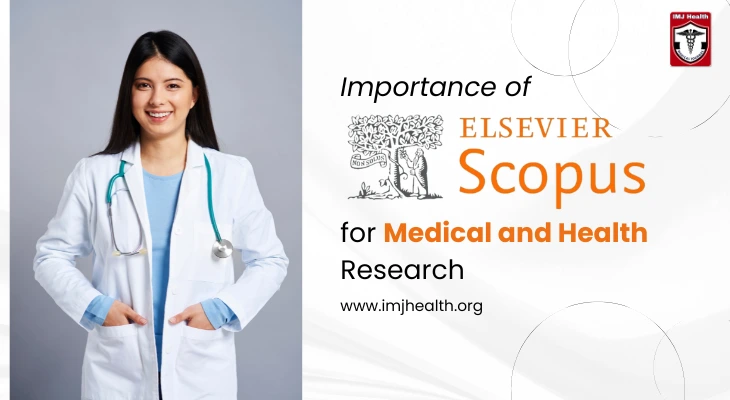
Scopus is one of the largest abstract and citation databases of peer-reviewed literature, encompassing scientific journals, books, and conference proceedings. For medical and health research, Scopus indexing is a mark of quality and credibility, providing researchers with a trusted platform to showcase their work and contribute to the global body of knowledge.
What is Scopus Indexing:
Scopus indexing refers to the inclusion of journals and articles in the Scopus database. Journals indexed in Scopus must meet stringent quality standards, ensuring that the content they publish is reliable, peer-reviewed, and relevant to the scientific community.
Key Benefits of Scopus Indexing for Medical and Health Research:
- Enhanced Visibility and Global Reach: Scopus-indexed articles are accessible to a global audience of researchers, academics, and institutions, increasing the visibility of medical and health research.
- Credibility and Recognition: Publishing in Scopus-indexed journals signifies high research quality, boosting the credibility and recognition of authors within the scientific community.
- Comprehensive Literature Access: Scopus offers extensive coverage of medical and health disciplines, providing access to cutting-edge research that informs clinical practices and policy decisions.
- Facilitates Collaboration: Scopus indexing fosters collaboration by connecting researchers worldwide, helping them identify potential partners for interdisciplinary projects.
- Citations and Impact Metrics: Scopus tracks citations and provides impact metrics, enabling researchers to evaluate the influence and reach of their work.
- Supports Career Advancement: Publications in Scopus-indexed journals are often required for academic promotions, funding opportunities, and research grants, making it essential for career progression.
- Quality Assurance: Scopus indexing ensures that only high-quality, peer-reviewed research is included, maintaining the integrity of medical and health research.
How Scopus Indexing Benefits the Medical Field:
- Evidence-Based Practices: Provides healthcare professionals with access to verified and reliable research, improving patient outcomes.
- Global Health Initiatives: Facilitates the dissemination of research addressing public health challenges across the globe.
- Specialized Research Areas: Covers niche areas in medicine and health, enabling advancements in fields like personalized medicine and epidemiology.
Challenges with Scopus Indexing:
- Strict Criteria: Not all journals meet Scopus’s rigorous quality standards, limiting the availability of indexed journals.
- Cost of Access: Institutions and individuals may require subscriptions to access the full benefits of Scopus.
- Lag in Indexing: Newly established journals often face delays in achieving Scopus indexing.

IMJ Health: A Trusted Platform for Medical Research:
For researchers striving to publish impactful work, IMJ Health offers an alternative platform. While Scopus indexing is a prestigious benchmark, publishing in IMJ Health ensures global visibility, rigorous peer review, and accessibility to a wide audience. IMJ Health is dedicated to supporting the dissemination of high-quality research in medical and health sciences.
Scopus indexing plays a pivotal role in advancing medical and health research by ensuring quality, credibility, and global dissemination. For researchers aiming to make a meaningful impact, publishing in Scopus-indexed journals or trusted platforms like IMJ Health can significantly elevate their work’s reach and influence.