Public health systems around the world are increasingly focused on understanding how diseases affect populations, identifying major health risks, and implementing preventive strategies that improve overall wellbeing. While modern medicine plays an essential role in diagnosing and treating illnesses, healthcare experts increasingly recognize that preventing disease before it develops can significantly reduce healthcare costs, improve quality of life, and strengthen population health outcomes.
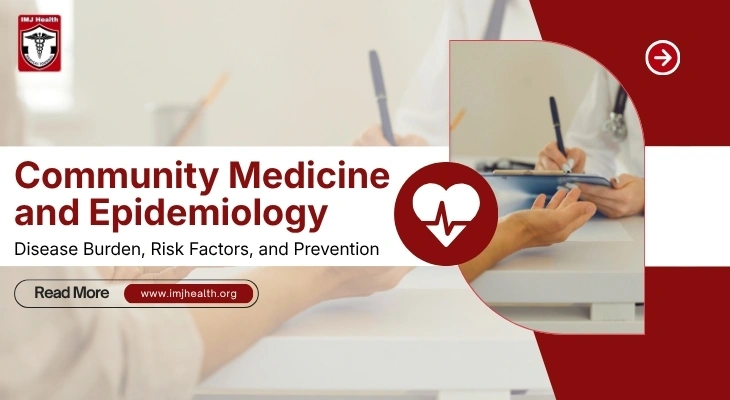
Community medicine and epidemiology are central to this preventive healthcare approach. These fields help researchers, healthcare providers, and policymakers understand patterns of disease, population-level health trends, environmental influences, and lifestyle risk factors that shape health outcomes. By identifying who is affected, why diseases occur, and how risks can be reduced, community medicine and epidemiology support evidence-based healthcare planning and disease prevention.
In 2026, advances in artificial intelligence (AI), digital health monitoring, predictive analytics, wearable technologies, genomic research, and real-time health surveillance are transforming how population health is studied. Healthcare systems increasingly rely on epidemiological data to understand disease burden, predict outbreaks, design prevention programs, and improve healthcare equity. For broader context on public health challenges, see Top 10 Public Health Challenges in 2025.
Among the most important priorities are measuring disease burden, identifying risk factors, and strengthening prevention strategies. These efforts are essential for reducing chronic illness, infectious disease spread, disability, and premature mortality.
This blog explores community medicine and epidemiology in 2026, focusing on disease burden, risk factors, and prevention and how modern public health strategies are improving population wellbeing.
Understanding Community Medicine and Epidemiology
What Is Community Medicine?
Community medicine focuses on protecting and improving the health of populations rather than treating only individual patients.
It emphasizes:
- Disease prevention
- Health promotion
- Early intervention
- Community-based healthcare
- Public health education
The goal is to improve health outcomes at a population level.
What Is Epidemiology?
Epidemiology is the scientific study of disease patterns in populations.
It helps answer questions such as:
- Who is affected?
- Where are diseases occurring?
- Why do diseases develop?
- How can health risks be reduced?
Epidemiologists analyze health data to guide prevention and healthcare planning.
Understanding Disease Burden
Disease burden refers to the overall impact of illness on individuals, healthcare systems, and society.
This may include:
- Illness prevalence
- Disability
- Mortality rates
- Healthcare costs
- Reduced quality of life
Understanding disease burden helps governments prioritize healthcare resources.
Major Global Disease Burdens in 2026
Healthcare systems continue addressing multiple major health concerns.
Non-Communicable Diseases (NCDs)
Chronic illnesses remain among the leading causes of illness worldwide.
Examples include:
- Cardiovascular disease
- Diabetes
- Cancer
- Respiratory disease
- Obesity-related conditions
Lifestyle and environmental factors often contribute significantly. For related insights on chronic disease management, see Cardiology Breakthroughs 2026: New Heart Failure and Arrhythmia Treatments.
Infectious Diseases
Although medical advances have reduced some infections, challenges remain.
Key concerns include:
- Emerging infectious diseases
- Antimicrobial resistance
- Vaccine-preventable illnesses
- Global outbreaks
Public health surveillance remains essential. For related insights, see Microbiology and Infectious Diseases: Antimicrobial Resistance and Emerging Pathogens.
Mental Health Burden
Mental health increasingly contributes to disease burden globally.
Common concerns include:
- Anxiety disorders
- Depression
- Stress-related illnesses
- Burnout
Mental wellbeing is increasingly integrated into community health strategies. For related insights, see Neuroscience and Brain Health Research: Improving Mental Well-being.
Risk Factors Affecting Population Health
Risk factors increase the likelihood of disease development.
Community medicine increasingly focuses on identifying modifiable risks.
Lifestyle Risk Factors
Lifestyle choices significantly influence health outcomes.
Major lifestyle risks include:
- Physical inactivity
- Tobacco use
- Poor nutrition
- Excessive alcohol consumption
- Sleep disruption
- Chronic stress
Preventive healthcare increasingly emphasizes healthy behavior change. For related insights on mind-body approaches, see Yoga and Meditation Research 2026: Clinical Evidence for Mental and Physical Health.
Environmental Risk Factors
Environmental conditions can influence population health.
Examples include:
- Air pollution
- Water contamination
- Climate-related risks
- Unsafe housing conditions
Environmental health policies increasingly affect prevention strategies.
Genetic and Biological Risk Factors
Some individuals may face inherited risks for certain diseases.
Examples include:
- Family history of illness
- Genetic predisposition
- Age-related vulnerability
Public health increasingly uses precision medicine insights for prevention.
Social Determinants of Health
Social conditions strongly influence wellbeing.
Important determinants include:
- Income level
- Education access
- Healthcare availability
- Housing quality
- Employment stability
Reducing healthcare inequality remains a major global priority.
Prevention Strategies in Community Medicine
Prevention remains one of the most effective healthcare strategies.
Primary Prevention
Primary prevention aims to stop disease before it develops.
Examples include:
- Vaccination programs
- Health education
- Lifestyle interventions
- Nutrition promotion
- Physical activity campaigns
These efforts help reduce future disease burden. For related insights on vaccination, see The Future of Vaccines: What's Next in Immunization.
Secondary Prevention
Secondary prevention focuses on early detection.
Common examples include:
- Health screenings
- Cancer detection programs
- Blood pressure monitoring
- Diabetes screening
Early intervention improves outcomes.
Tertiary Prevention
Tertiary prevention helps reduce complications after disease develops.
Examples include:
- Rehabilitation programs
- Chronic disease management
- Long-term healthcare support
The goal is to improve quality of life.
Epidemiology and Disease Surveillance in 2026
Modern epidemiology increasingly relies on technology.
AI and Predictive Epidemiology
Artificial intelligence helps analyze:
- Disease trends
- Outbreak risks
- Population health data
- Prevention opportunities
Predictive systems may improve early intervention. For insights into AI in healthcare, see The Role of Artificial Intelligence in Medical Research.
Real-Time Health Surveillance
Healthcare systems increasingly use:
- Electronic health records
- Mobile health technologies
- Public health databases
- Digital monitoring systems
Real-time monitoring strengthens response capacity.
Wearable Health Technology
Wearables increasingly help monitor:
- Activity levels
- Sleep patterns
- Heart health indicators
- Stress markers
Population-level health insights continue expanding. For related insights, see Wearable Health Technology and Remote Patient Monitoring.
Community-Based Health Programs
Community medicine increasingly emphasizes local engagement.
Programs may include:
- Health education campaigns
- Vaccination outreach
- Nutrition awareness
- School health initiatives
- Mental health support
Community involvement strengthens prevention success.
Challenges in Community Medicine and Epidemiology
Despite advances, challenges remain.
- Healthcare Inequality – Unequal healthcare access continues affecting outcomes.
- Misinformation – Public misunderstanding can affect prevention efforts.
- Chronic Disease Growth – Lifestyle-related illnesses continue increasing.
- Resource Limitations – Some regions continue facing healthcare shortages.
The Future of Community Medicine Beyond 2026
Future public health systems are expected to become increasingly preventive and personalized.
Emerging developments may include:
- AI-supported public health planning
- Personalized prevention strategies
- Smarter disease surveillance
- Precision population health programs
- Expanded digital health monitoring
Healthcare systems increasingly aim to prevent disease before symptoms appear. For those considering doctoral research in this area, Top 10 Pharmaceutical Research Topics for PhD offers guidance on selecting impactful research directions.
Community medicine and epidemiology in 2026 continue playing essential roles in understanding disease burden, identifying risk factors, and strengthening prevention strategies. Advances in AI, digital surveillance, wearable technology, and public health analytics are helping healthcare systems better understand population health and improve disease prevention efforts.
While healthcare inequality, misinformation, environmental challenges, and chronic disease growth remain major concerns, preventive healthcare approaches continue expanding. By focusing on early intervention, healthy lifestyles, and evidence-based public health planning, community medicine helps improve long-term wellbeing.
As healthcare increasingly shifts toward prevention and personalized population care, community medicine and epidemiology will remain essential for building healthier, safer, and more resilient communities worldwide.
Continue Exploring Our Blog
- Top 10 Public Health Challenges in 2025
- Microbiology and Infectious Diseases: Antimicrobial Resistance and Emerging Pathogens
- The Future of Vaccines: What's Next in Immunization
- Wearable Health Technology and Remote Patient Monitoring
- The Role of Artificial Intelligence in Medical Research
- How to Use Zotero for Citation
- How to Choose the Right Citation Style: APA vs MLA vs Chicago Guide