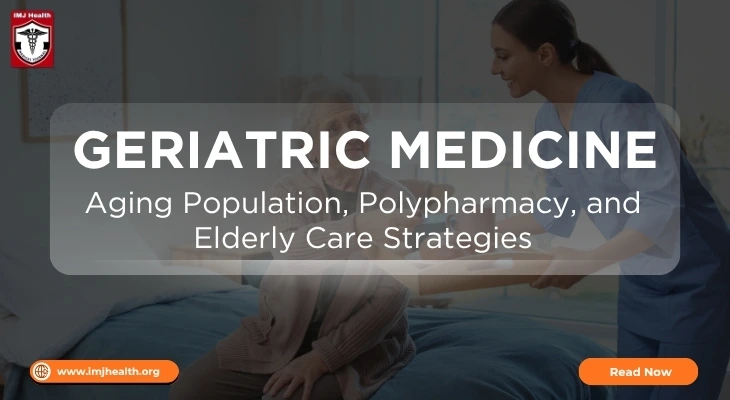
Global populations are aging at an unprecedented pace, transforming healthcare priorities and increasing demand for specialized medical care tailored to older adults. Advances in healthcare, nutrition, and disease prevention have significantly increased life expectancy, allowing people to live longer than ever before. However, longer life spans also bring new medical, social, and functional challenges that require comprehensive and personalized care approaches.
Geriatric medicine has emerged as a vital specialty focused on promoting healthy aging, preventing disability, managing chronic illnesses, and improving quality of life among older adults. Unlike traditional healthcare models that often treat individual diseases separately, geriatric medicine takes a holistic approach, considering physical health, mental wellbeing, mobility, independence, medication management, and social support systems.
In 2026, geriatric healthcare is undergoing rapid transformation through advances in digital health, precision medicine, preventive screening, remote monitoring, artificial intelligence (AI), and personalized elderly care strategies. Healthcare systems increasingly recognize that aging populations require proactive, integrated, and multidisciplinary care models designed to support long-term wellbeing. For broader context on AI's role in healthcare, see The Role of Artificial Intelligence in Medical Research.
Among the most pressing concerns in geriatric medicine are the challenges associated with aging populations, polypharmacy, and effective elderly care strategies. Older adults frequently live with multiple chronic conditions requiring several medications, increasing risks of drug interactions, hospitalizations, falls, and reduced independence.
This blog explores key developments in geriatric medicine in 2026, focusing on aging population trends, polypharmacy management, and evolving elderly care strategies that are reshaping healthcare for older adults.
Understanding Geriatric Medicine
Geriatric medicine focuses on healthcare needs specific to aging adults.
Rather than treating single conditions in isolation, geriatric care emphasizes whole-person wellbeing.
Common areas of focus include: Chronic disease management, Cognitive health, Mobility support, Medication safety, Nutrition and wellness, Fall prevention, Mental health care, and Long-term care planning.
Older adults often experience multiple overlapping medical conditions, making coordinated healthcare especially important.
Modern geriatric medicine aims to preserve independence, reduce complications, and improve overall quality of life.
The Growing Impact of an Aging Population
Population aging is becoming one of the most important healthcare trends worldwide.
Increased life expectancy has contributed to rising numbers of adults over age 65.
This demographic shift affects healthcare systems in several ways: Increased chronic disease burden, Greater healthcare demand, Rising long-term care needs, More age-related disabilities, and Higher medication use.
Common health concerns among older adults include: Heart disease, Diabetes, Arthritis, Dementia, Osteoporosis, Kidney disease, and Respiratory disorders.
Healthcare providers increasingly emphasize prevention and healthy aging strategies to reduce complications. These priorities align with broader public health discussions in Top 10 Public Health Challenges in 2025.
Healthy Aging and Preventive Medicine
Preventive healthcare is becoming increasingly important in geriatrics.
Modern healthy aging strategies focus on: Physical activity, Nutritional health, Mental stimulation, Social engagement, Preventive screenings, and Vaccinations.
Early intervention helps older adults maintain independence for longer periods.
Personalized Aging Care
Aging affects individuals differently.
In 2026, precision medicine is helping personalize care according to: Genetic factors, Chronic disease risk, Functional ability, Lifestyle habits, and Medication needs.
This individualized approach supports better long-term outcomes.

Polypharmacy: A Major Geriatric Challenge
Polypharmacy refers to the use of multiple medications simultaneously.
It is increasingly common among older adults due to multiple chronic conditions.
Many elderly patients take medications for: High blood pressure, Diabetes, Heart disease, Arthritis, Sleep disorders, Depression, and Pain management.
While medications can improve health, taking too many medicines may increase risks.
Risks of Polypharmacy
Polypharmacy can contribute to: Drug interactions, Falls, Dizziness, Confusion, Memory problems, Hospitalization risks, and Medication non-adherence.
Older adults are particularly vulnerable because aging affects how the body processes medications.
Medication Review Programs
Medication optimization has become a major focus in geriatric care.
Doctors and pharmacists increasingly conduct routine medication reviews to: Eliminate unnecessary drugs, Reduce harmful interactions, Simplify medication schedules, and Improve treatment effectiveness.
This process, often called deprescribing, aims to improve safety without compromising health outcomes.
AI-Assisted Medication Safety
Artificial intelligence is helping reduce medication-related complications.
AI systems can analyze: Drug interactions, Side-effect risks, Dosage appropriateness, and Patient health profiles.
This helps clinicians make safer prescribing decisions. For insights into AI diagnostics, see The Black Box of AI Diagnostics and the Problem of Liability.
Digital Medication Management
Technology is improving medication adherence among older adults.
Smart tools include: Medication reminder apps, Smart pill dispensers, Remote caregiver alerts, and Digital prescription tracking.
These systems reduce missed doses and medication confusion. These digital health approaches are also explored in Digital Therapeutics and Remote Health.
Elderly Care Strategies in 2026
Healthcare for older adults increasingly extends beyond hospitals and clinics.
Modern elderly care emphasizes independence, comfort, and comprehensive support.
Home-Based Healthcare
Many seniors prefer aging at home.
Home healthcare services increasingly provide: Routine health monitoring, Physical therapy, Nursing support, Medication assistance, and Chronic disease management.
Remote monitoring technologies are making home care safer and more effective.
Telehealth for Older Adults
Virtual healthcare continues expanding in geriatric medicine.
Telemedicine supports: Routine consultations, Medication follow-ups, Mental health support, and Chronic disease monitoring.
This reduces travel challenges for elderly patients.
Fall Prevention Strategies
Falls remain a major health risk among seniors.
Modern prevention approaches include: Balance training, Home safety modifications, Strength-building programs, and Wearable fall detection devices.
Reducing fall risk improves independence and lowers hospitalization rates. These wearable technologies are also discussed in Wearable Health Technology and Remote Patient Monitoring.
Cognitive Health and Dementia Care
Cognitive decline remains a growing concern.
Geriatric specialists increasingly focus on: Early dementia screening, Memory support programs, Cognitive training, and Caregiver education.
Earlier diagnosis allows better planning and symptom management. For related neurological insights, see Neuroscience and Brain Health Research.
Mental Health in Older Adults
Mental wellbeing is increasingly recognized as essential to healthy aging.
Older adults may experience: Depression, Loneliness, Anxiety, and Social isolation.
Integrated geriatric care increasingly includes emotional and psychological support.
Nutrition and Physical Activity in Elderly Care
Healthy aging strongly depends on lifestyle factors.
Nutrition strategies increasingly focus on: Protein intake for muscle health, Bone-supporting nutrients, Heart-healthy diets, and Hydration support.
Exercise programs help improve: Strength, Balance, Mobility, and Cardiovascular health.
Physical activity also supports cognitive wellbeing.
Challenges Facing Geriatric Medicine
Despite major advances, important challenges remain.
Healthcare Workforce Shortages – Demand for geriatric specialists continues growing. Many healthcare systems face staffing shortages.
Long-Term Care Accessibility – Access to quality elderly care varies significantly. Costs remain a challenge for many families.
Complex Chronic Conditions – Managing multiple overlapping diseases remains medically challenging. Integrated care models are increasingly necessary.
The Future of Geriatric Medicine Beyond 2026
Future elderly healthcare is expected to become increasingly personalized and preventive.
Expected developments include: AI-assisted elderly monitoring, Smarter medication management systems, Precision aging medicine, Better dementia interventions, and Expanded home healthcare technologies.
The focus is increasingly shifting toward extending healthy years of life, not simply lifespan. For those considering doctoral research in this area, Top 10 Pharmaceutical Research Topics for PhD offers guidance on selecting impactful research directions.
Conclusion
Geriatric medicine in 2026 is evolving rapidly to meet the needs of aging populations through better chronic disease management, polypharmacy reduction, and comprehensive elderly care strategies. Innovations in digital health, personalized medicine, remote monitoring, and medication optimization are helping older adults maintain independence and quality of life.
As healthcare systems adapt to demographic changes, geriatric medicine is increasingly focused on preventive care, functional wellbeing, and patient-centered support. While challenges related to healthcare access, medication complexity, and long-term care remain, the future of elderly healthcare is becoming smarter, safer, and more personalized.
Through integrated care strategies and technological innovation, geriatric medicine is helping older adults age with greater dignity, independence, and overall wellbeing.