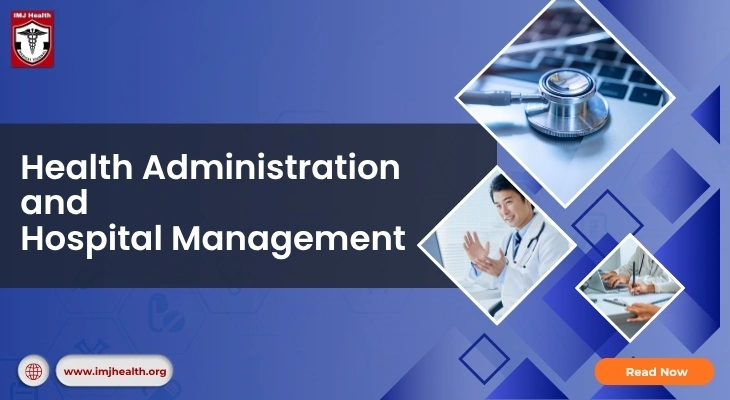
Healthcare systems today are becoming increasingly complex, requiring not only advanced medical treatments but also efficient management, strategic planning, patient-centered policies, and strong safety systems. Hospitals and healthcare institutions are expected to deliver high-quality care while maintaining operational efficiency, reducing medical errors, improving patient experiences, and managing growing healthcare demands.
As populations grow, chronic diseases rise, healthcare technologies expand, and patient expectations evolve, health administration and hospital management are becoming more important than ever. Effective healthcare leadership now involves balancing clinical excellence, workforce coordination, financial sustainability, digital transformation, and patient safety.
In 2026, healthcare administration is rapidly evolving through digital health technologies, artificial intelligence (AI), predictive analytics, quality improvement systems, and data-driven management practices. Hospital leaders increasingly focus on improving care quality while minimizing risks, preventing medical complications, and strengthening patient trust. For broader context on AI's role in healthcare, see The Role of Artificial Intelligence in Medical Research.
Among the most critical priorities in modern healthcare management are quality improvement and patient safety. These efforts help hospitals reduce avoidable harm, improve treatment outcomes, strengthen healthcare efficiency, and deliver more reliable care.
This blog explores health administration and hospital management in 2026, focusing on quality improvement and patient safety and how modern healthcare systems are transforming care delivery.
Understanding Health Administration and Hospital Management
Health administration refers to the planning, organization, and coordination of healthcare services.
Hospital management involves overseeing healthcare operations to ensure efficient and effective care delivery.
Healthcare administrators manage areas such as: Clinical operations, Staffing and workforce planning, Patient care systems, Budgeting and finance, Healthcare technologies, Regulatory compliance, and Risk management.
The goal is to create healthcare environments that deliver safe, high-quality, and patient-centered care.
Why Quality Improvement Matters in Healthcare
Quality improvement (QI) refers to systematic efforts designed to improve healthcare outcomes, processes, and service delivery.
Healthcare systems increasingly prioritize: Better patient outcomes, Reduced treatment delays, Lower complication rates, Improved efficiency, and Enhanced patient experiences.
Quality improvement is becoming central to hospital strategy.
Core Dimensions of Healthcare Quality
Modern healthcare quality often focuses on several important goals.
These include: Safety, Effectiveness, Patient-centered care, Timeliness, Efficiency, and Equity in healthcare access.
Hospitals increasingly measure performance across these areas. These priorities align with broader public health discussions in Top 10 Public Health Challenges in 2025.

Data-Driven Healthcare Improvement
Hospitals increasingly use healthcare data to improve quality.
Data may help monitor: Readmission rates, Treatment outcomes, Infection rates, Patient satisfaction, and Medication safety.
Performance tracking helps hospitals identify areas for improvement.
Continuous Quality Improvement Models
Healthcare organizations increasingly adopt continuous improvement frameworks.
Common approaches focus on: Identifying problems, Testing solutions, Measuring outcomes, and Improving care systems.
These methods help create long-term improvement cultures.
Patient Safety in Hospital Management
Patient safety remains one of the highest priorities in healthcare.
Patient safety refers to reducing preventable harm during medical care.
Healthcare systems increasingly focus on preventing: Medication errors, Surgical complications, Hospital-acquired infections, Diagnostic delays, and Communication failures.
Reducing preventable harm improves trust and outcomes.
Medication Safety Improvements
Medication errors remain a major healthcare concern.
Hospitals increasingly use technologies such as: Electronic prescribing systems, Medication verification tools, Barcode medication tracking, and Drug interaction alerts.
These systems help improve prescribing accuracy. For related insights on pharmacology, see Pharmacology 2026: Drug Development, Adverse Reactions, and Clinical Trial Updates.
Infection Prevention and Control
Healthcare-associated infections continue posing risks.
Hospitals increasingly emphasize: Hygiene protocols, Sterilization systems, Isolation procedures, and Infection surveillance.
Advanced monitoring helps reduce hospital-acquired infections. For related insights on antimicrobial resistance, see Antibiotic Resistance and New Treatment Approaches.
Surgical Safety Enhancements
Modern hospitals increasingly adopt safety protocols for surgery.
Common strategies include: Surgical checklists, Team communication systems, Patient verification processes, and Procedure standardization.
These approaches may reduce complications. For related insights on surgical innovations, see Orthopedic Surgery Innovations.
Communication and Team Coordination
Communication failures can increase patient risks.
Hospitals increasingly improve: Shift handovers, Team collaboration, Documentation systems, and Emergency communication protocols.
Better coordination strengthens patient safety.
Digital Transformation in Hospital Management
Technology is transforming healthcare administration.
Electronic Health Records (EHRs)
Digital records improve: Care coordination, Patient information access, Treatment planning, and Safety monitoring.
Integrated systems support faster decision-making.
AI and Predictive Analytics
Artificial intelligence increasingly supports hospital operations.
AI may help: Predict patient risks, Improve staffing efficiency, Identify safety concerns, and Optimize resource allocation.
Predictive systems may support earlier intervention. For insights into AI diagnostics, see The Black Box of AI Diagnostics and the Problem of Liability.
Smart Hospital Systems
Hospitals increasingly use connected technologies.
Examples include: Remote patient monitoring, Smart beds, Automated workflows, and Digital patient management systems.
These technologies improve efficiency and safety.
Patient-Centered Healthcare
Modern healthcare increasingly focuses on patient experiences.
Patient-centered care emphasizes: Respectful communication, Shared decision-making, Emotional support, Accessibility, and Personalized treatment planning.
Patient feedback increasingly influences hospital improvement efforts.
Patient Satisfaction and Trust
Healthcare organizations increasingly monitor: Patient feedback, Service quality, Communication effectiveness, and Care experiences.
Trust remains central to healthcare quality.
Workforce Challenges in Hospital Management
Healthcare workforce wellbeing is increasingly important.
Major concerns include: Staff shortages, Burnout, Workplace stress, and Retention challenges.
Hospitals increasingly prioritize workforce support and resilience.
Healthy teams contribute to safer care.
Challenges in Health Administration
Despite major advances, challenges remain.
Rising Healthcare Costs – Managing affordability remains difficult.
Technology Integration – Hospitals must balance innovation with privacy and training needs.
Regulatory Compliance – Healthcare systems must maintain quality standards and patient protections.
Health Equity – Improving equal access to quality care remains important.
The Future of Health Administration Beyond 2026
Healthcare management is expected to become increasingly data-driven and patient-centered.
Emerging developments may include: AI-supported hospital operations, Personalized patient experiences, Smarter quality monitoring systems, Predictive patient safety programs, and Expanded telehealth coordination.
Future hospitals may increasingly prioritize prevention and personalized care. For those considering doctoral research in this area, Top 10 Pharmaceutical Research Topics for PhD offers guidance on selecting impactful research directions.
Health administration and hospital management in 2026 continue evolving to improve quality and patient safety through digital innovation, better communication, predictive analytics, and patient-centered care. Healthcare leaders increasingly focus on reducing medical errors, improving outcomes, strengthening workforce resilience, and enhancing care experiences.
While challenges involving costs, staffing, healthcare equity, and system complexity remain, hospitals are becoming increasingly proactive and technology-driven. Quality improvement and patient safety remain central to building reliable, efficient, and trusted healthcare systems.
As healthcare continues advancing, effective hospital management will remain essential for delivering safer, higher-quality care and supporting healthier communities through stronger healthcare systems.
Continue Exploring Our Blog
- Top 10 Public Health Challenges in 2025
- The Role of Artificial Intelligence in Medical Research
- Pharmacology 2026: Drug Development, Adverse Reactions, and Clinical Trial Updates
- Innovations in Clinical Research: From Medicines to Surgical Methods
- Digital Therapeutics and Remote Health: The Rise of Software-Driven Treatments