Breathing is one of the most essential biological functions, yet it is often taken for granted until respiratory difficulties or chronic health conditions arise. The way individuals breathe can significantly influence oxygen delivery, stress response, cardiovascular function, emotional wellbeing, and overall physical health. Increasing scientific evidence suggests that breathing patterns may affect not only respiratory efficiency but also chronic disease management.
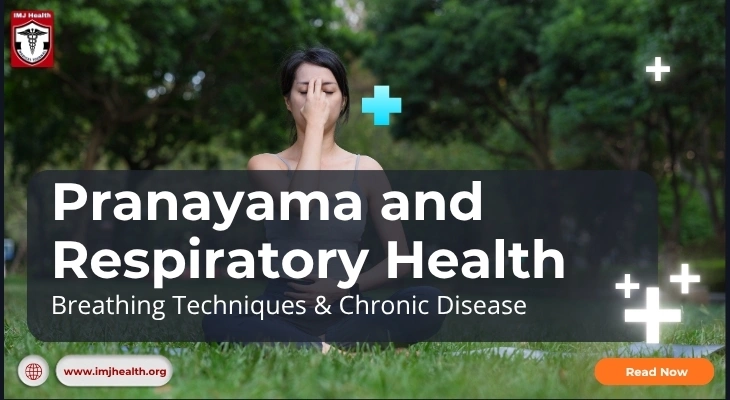
Pranayama, a key component of traditional yogic practice, focuses on conscious breathing techniques designed to regulate breath, improve lung function, and enhance mind-body balance. Historically practiced for mental clarity and physical wellness, pranayama is now receiving growing attention from researchers, respiratory specialists, and healthcare providers seeking non-pharmacological approaches to support chronic disease care.
In 2026, advances in respiratory medicine, neuroscience, wearable technology, and mind-body research are helping scientists better understand how structured breathing techniques influence physiology. Clinical studies increasingly examine pranayama's role in respiratory disorders, cardiovascular disease, stress-related conditions, metabolic health, and chronic inflammation. For broader context on AI's role in healthcare research, see The Role of Artificial Intelligence in Medical Research.
Among the most important areas of research is how breathing techniques may support chronic disease management by improving oxygenation, regulating the nervous system, reducing stress, and promoting respiratory resilience.
This blog explores current research on pranayama and respiratory health in 2026, focusing on how breathing techniques may influence chronic disease and support overall wellbeing.
Understanding Pranayama
Pranayama refers to controlled breathing practices used to regulate breathing rhythm and respiratory awareness.
The term originates from ancient yogic traditions and combines concepts related to breath control and life energy regulation.
Pranayama typically involves: Controlled inhalation, Breath retention, Regulated exhalation, and Rhythmic breathing patterns.
Different pranayama techniques may focus on calming, energizing, balancing, or improving respiratory efficiency.
Common breathing techniques include: Deep diaphragmatic breathing, Alternate nostril breathing, Slow rhythmic breathing, Controlled breath awareness, and Extended exhalation practices.
Researchers increasingly study these methods for measurable physiological benefits.
How Breathing Affects Human Physiology
Breathing influences much more than oxygen intake.
The respiratory system closely interacts with: Cardiovascular function, Nervous system activity, Stress hormone regulation, Immune responses, and Brain function.
Poor breathing habits, shallow breathing, and chronic stress may negatively affect physical and emotional health.
Controlled breathing techniques may help improve body regulation.
Nervous System Regulation
One of the most studied effects of pranayama involves the autonomic nervous system.
Breathing patterns may influence: Heart rate, Blood pressure, Stress responses, and Relaxation mechanisms.
Slow breathing techniques are increasingly associated with activation of the body's calming response.
This may reduce chronic stress burden. For related insights on stress and brain health, see Neuroscience and Brain Health Research.

Oxygen Efficiency and Lung Function
Controlled breathing may help improve respiratory efficiency.
Potential physiological effects include: Better oxygen exchange, Improved breathing control, Enhanced lung capacity, and Reduced respiratory strain.
These effects are especially relevant in chronic respiratory disease management.
Pranayama and Chronic Respiratory Diseases
Respiratory diseases remain a major global health challenge.
Researchers increasingly explore how breathing techniques may complement conventional treatment.
Chronic Obstructive Pulmonary Disease (COPD)
COPD often causes breathing difficulty and reduced lung function.
Emerging studies suggest pranayama may help support: Breathing control, Reduced breathlessness, Improved respiratory endurance, and Better exercise tolerance.
Breathing exercises are increasingly integrated into pulmonary rehabilitation programs. For related pulmonary insights, see Pulmonary Medicine 2026: COPD, Asthma, and Emerging Respiratory Therapies.
However, they are generally considered complementary to medical treatment.
Asthma Management
Asthma affects airway inflammation and breathing control.
Research explores whether breathing techniques may support: Improved breathing awareness, Reduced respiratory anxiety, Better symptom management, and Relaxation during flare-ups.
Slow breathing may help reduce hyperventilation tendencies in some individuals.
Post-Respiratory Recovery Support
Breathing exercises are increasingly used in recovery after respiratory illness.
Potential benefits may include: Improved breathing mechanics, Better lung conditioning, and Enhanced relaxation.
Healthcare providers increasingly include breathing exercises in rehabilitation plans.
Cardiovascular Disease and Breathing Techniques
Heart and lung function are closely connected.
Research suggests pranayama may positively influence cardiovascular wellbeing.
Potential benefits may include support for: Blood pressure regulation, Heart rate variability, Stress reduction, and Circulatory balance.
Mind-body relaxation may improve cardiovascular resilience.
Slow breathing techniques are particularly studied for nervous system balance.
Pranayama and Stress-Related Chronic Conditions
Chronic stress contributes to many health conditions.
Researchers increasingly investigate breathing techniques for: Anxiety disorders, Sleep disturbances, Hypertension, Chronic fatigue, and Stress-related inflammation.
Breathing practices may support emotional regulation by promoting calmness and mindfulness.
Mental Health and Emotional Wellbeing
Breathing techniques may influence emotional states.
Potential mental health benefits include: Reduced stress perception, Improved emotional balance, Better concentration, and Relaxation support.
Pranayama is increasingly studied alongside meditation and mindfulness practices. For related insights on yoga and meditation research, see Yoga and Meditation Research 2026.
Metabolic and Immune Health
Emerging research explores how controlled breathing may influence: Inflammatory responses, Blood sugar regulation, Hormonal balance, and Immune function.
Although research continues, scientists increasingly recognize links between breathing, stress regulation, and metabolic health.
Wearable Technology and Breathing Research in 2026
Modern research increasingly uses wearable devices to study breathing patterns.
Wearables can monitor: Breathing rate, Heart rate variability, Oxygen levels, and Stress responses.
This allows researchers to evaluate pranayama's physiological effects more objectively.
Digital breathing guidance platforms are also improving accessibility. For related wearable technology, see Wearable Health Technology and Remote Patient Monitoring.
Challenges in Pranayama Research
Despite growing evidence, challenges remain.
Variation in Techniques – Different breathing methods may produce different physiological outcomes.
Research Standardization – Clinical studies often vary in duration, intensity, and participant groups.
Complementary Rather Than Replacement Therapy – Breathing techniques generally support—not replace—medical care for chronic disease. Healthcare supervision remains important for serious conditions.
The Future of Pranayama and Respiratory Research Beyond 2026
Future research is expected to become increasingly personalized and clinically integrated.
Expected developments include: Personalized breathing therapies, AI-guided respiratory training, Wearable breathing feedback systems, Clinical respiratory rehabilitation programs, and Stronger evidence for chronic disease support.
Researchers increasingly aim to determine which breathing methods work best for specific conditions. For those considering doctoral research in this area, Top 10 Pharmaceutical Research Topics for PhD offers guidance on selecting impactful research directions.
Conclusion
Pranayama and respiratory health research in 2026 continue strengthening understanding of how breathing techniques may support chronic disease management and overall wellbeing. From respiratory disorders and cardiovascular health to stress reduction and emotional balance, structured breathing practices are increasingly recognized for their potential physiological benefits.
Advances in respiratory medicine, neuroscience, and wearable technology are helping researchers better understand the mechanisms behind controlled breathing. While breathing techniques should complement—not replace—medical treatment, pranayama is becoming an increasingly valuable supportive strategy in preventive and integrative healthcare.
As scientific evidence continues growing, breathing-based wellness approaches may play a larger role in helping individuals improve respiratory function, regulate stress, and support healthier living through safe and accessible practices.
Continue Exploring Our Blog
- Pulmonary Medicine 2026: COPD, Asthma, and Emerging Respiratory Therapies
- Yoga and Meditation Research 2026: Clinical Evidence for Mental and Physical Health
- Neuroscience and Brain Health Research: Improving Mental Well-being
- Wearable Health Technology and Remote Patient Monitoring
- Digital Therapeutics and Remote Health: The Rise of Software-Driven Treatments