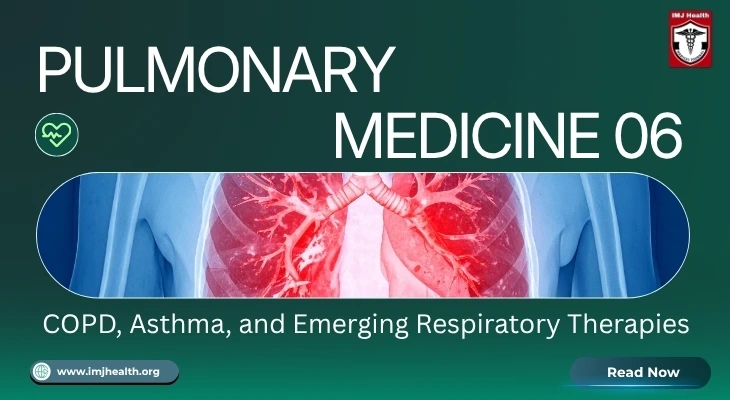
Respiratory health plays a fundamental role in overall wellbeing, influencing oxygen delivery, physical endurance, immunity, and quality of life. Pulmonary diseases continue to represent a major global health burden, affecting millions of individuals across all age groups. Conditions such as chronic obstructive pulmonary disease (COPD), asthma, respiratory infections, and chronic inflammatory lung disorders remain among the leading causes of disability, hospitalization, and mortality worldwide.
Environmental pollution, smoking, occupational exposure, climate-related allergens, and lifestyle changes continue contributing to rising respiratory disease prevalence. At the same time, advancements in medical science are transforming how pulmonary diseases are diagnosed, monitored, and treated.
In 2026, pulmonary medicine is experiencing rapid innovation through precision medicine, advanced inhalation therapies, artificial intelligence (AI), wearable respiratory monitoring, biologic treatments, and minimally invasive interventions. Healthcare providers are increasingly moving from reactive symptom management toward proactive disease prevention and personalized respiratory care. For broader context on AI's role in healthcare, see The Role of Artificial Intelligence in Medical Research.
Among the most important developments are advancements in chronic obstructive pulmonary disease (COPD) management, new approaches to asthma treatment, and emerging respiratory therapies designed to improve lung function and patient outcomes.
This blog explores major pulmonary medicine updates in 2026, focusing on COPD, asthma, and innovative respiratory therapies and how these breakthroughs are reshaping the future of respiratory healthcare.
Understanding Pulmonary Medicine
Pulmonary medicine focuses on diseases affecting the lungs and respiratory system.
Pulmonologists diagnose and treat conditions involving: Airways, Lung tissue, Respiratory muscles, and Oxygen exchange systems.
Common pulmonary disorders include: Chronic obstructive pulmonary disease (COPD), Asthma, Pneumonia, Pulmonary fibrosis, Sleep apnea, Lung infections, and Respiratory allergies.
As respiratory conditions become increasingly complex, pulmonary care is becoming more specialized and technology-driven. These principles align with broader trends in Innovations in Clinical Research.
COPD Management in 2026
Chronic obstructive pulmonary disease (COPD) remains one of the leading causes of respiratory disability globally.
COPD refers to progressive lung diseases that obstruct airflow, including: Chronic bronchitis and Emphysema.
Common symptoms include: Shortness of breath, Chronic cough, Wheezing, Excess mucus production, and Reduced exercise tolerance.
Smoking remains a major risk factor, although pollution and occupational exposure also contribute significantly.

Earlier COPD Detection
One of the biggest improvements in pulmonary medicine is earlier diagnosis.
COPD has historically been underdiagnosed, often identified only after significant lung damage occurs.
Modern screening approaches include: AI-enhanced lung imaging, Advanced spirometry testing, Digital respiratory assessments, and Biomarker analysis.
Earlier diagnosis enables physicians to intervene sooner and slow disease progression.
Personalized COPD Treatment Plans
Pulmonary medicine is increasingly embracing precision care.
Doctors now tailor COPD treatment based on: Disease severity, Lung function testing, Inflammation markers, Smoking history, and Symptom burden.
Personalized care improves medication effectiveness and patient outcomes.
Advanced Inhaler Technologies
Inhaler technology has significantly improved.
Modern inhalers feature: Better medication delivery systems, Smart inhaler tracking, Dose reminders, and Usage monitoring.
Smart inhalers help patients improve medication adherence and reduce disease flare-ups. These digital health approaches are also explored in Digital Therapeutics and Remote Health.
Pulmonary Rehabilitation Innovations
Pulmonary rehabilitation remains essential in COPD management.
Modern rehabilitation programs include: Personalized exercise plans, Breathing techniques, Nutritional counseling, and Digital coaching systems.
Virtual pulmonary rehabilitation programs are improving accessibility for patients unable to travel frequently.
Minimally Invasive Lung Interventions
New bronchoscopic procedures are helping selected COPD patients.
Techniques such as bronchoscopic lung volume reduction may improve breathing efficiency in severe emphysema.
These procedures offer alternatives to major surgery in some cases.
Asthma Treatment Advances in 2026
Asthma continues affecting millions of children and adults worldwide.
Asthma is a chronic inflammatory disease that narrows airways and causes: Wheezing, Shortness of breath, Chest tightness, and Persistent coughing.
In 2026, asthma management is becoming increasingly personalized.
Biologic Therapies for Severe Asthma
One of the most important asthma breakthroughs involves biologic medications.
Biologics target specific immune pathways driving airway inflammation.
Benefits may include: Reduced asthma attacks, Better symptom control, Lower steroid dependence, and Improved lung function.
These therapies are especially valuable for severe asthma cases not responding to traditional inhalers. For insights into immunotherapy, see The Challenges and Opportunities in Immunotherapy Research.
Precision Asthma Care
Pulmonologists increasingly recognize that asthma differs between individuals.
Modern care identifies asthma subtypes based on: Allergic triggers, Inflammatory markers, Genetic predisposition, and Environmental exposure.
This enables more targeted treatment strategies.
Smart Asthma Monitoring Devices
Wearable respiratory technology is improving asthma management.
Modern monitoring tools can track: Breathing patterns, Oxygen levels, Medication use, and Environmental triggers.
Real-time alerts help patients respond before severe attacks occur. These wearable technologies are also discussed in Wearable Health Technology and Remote Patient Monitoring.
Environmental Monitoring Integration
Digital systems increasingly combine respiratory care with environmental tracking.
Apps can monitor: Air pollution, Pollen levels, Humidity, and Temperature changes.
This helps asthma patients reduce trigger exposure.
Emerging Respiratory Therapies
Pulmonary medicine is increasingly exploring innovative treatment approaches.
Regenerative Lung Therapies
Researchers are investigating regenerative medicine approaches to repair damaged lung tissue.
Potential therapies include: Stem cell treatments, Tissue regeneration strategies, and Cellular repair technologies.
Although still developing, these innovations may eventually transform chronic lung disease care. For related advances, see Stem Cell Therapy in 2025: Latest Breakthroughs and Clinical Trials.
Gene-Based Respiratory Therapies
Gene therapy research continues advancing for inherited respiratory conditions.
Potential applications include: Genetic lung disorders, Severe asthma subtypes, and Rare pulmonary diseases.
Future therapies may target disease causes rather than symptoms alone.
AI in Pulmonary Diagnostics
Artificial intelligence is increasingly supporting respiratory healthcare.
AI systems help analyze: Lung imaging scans, Pulmonary function tests, Symptom trends, and Disease progression patterns.
This improves diagnostic accuracy and treatment planning.
AI-assisted chest imaging may also detect abnormalities earlier. For insights into AI diagnostics, see The Black Box of AI Diagnostics and the Problem of Liability.
Precision Drug Delivery
Drug delivery systems are becoming increasingly advanced.
Researchers are developing inhalation technologies that: Improve medication absorption, Reduce side effects, Deliver targeted treatment, and Improve patient compliance.
This may improve long-term disease control.
Sleep and Respiratory Health
Pulmonary medicine increasingly recognizes the connection between respiratory health and sleep.
Conditions such as sleep apnea affect breathing during sleep and may contribute to: Heart disease, Fatigue, Poor concentration, and Metabolic disorders.
Improved sleep monitoring technologies are helping identify respiratory problems earlier.
Telehealth in Pulmonary Medicine
Telemedicine continues expanding respiratory healthcare access.
Virtual pulmonary care supports: Symptom monitoring, Medication management, Pulmonary rehabilitation, and Follow-up appointments.
Remote care is particularly beneficial for patients with chronic lung diseases.
Challenges Facing Pulmonary Medicine
Despite major advances, respiratory medicine still faces challenges.
Air Pollution and Environmental Risks – Environmental pollutants continue worsening respiratory conditions globally. These concerns are part of broader discussions in Top 10 Public Health Challenges in 2025.
Smoking and Lifestyle Factors – Smoking remains a leading contributor to COPD and chronic lung disease.
Healthcare Access – Access to specialized pulmonary care and advanced therapies remains unequal. Improving accessibility remains essential.
The Future of Pulmonary Medicine Beyond 2026
The future of pulmonary healthcare is becoming increasingly predictive, preventive, and personalized.
Expected innovations include: AI-powered respiratory diagnostics, Regenerative lung repair therapies, Precision biologic treatments, Smarter respiratory wearables, and Personalized environmental risk management.
Researchers increasingly aim to improve quality of life while slowing disease progression. For those considering doctoral research in this area, Top 10 Pharmaceutical Research Topics for PhD offers guidance on selecting impactful research directions.
Pulmonary medicine in 2026 is undergoing significant transformation through advances in COPD management, asthma care, and emerging respiratory therapies. Innovations such as biologic treatments, smart inhalers, AI-assisted diagnostics, regenerative medicine, and wearable respiratory monitoring are helping improve outcomes for patients living with chronic lung disease.
These breakthroughs are moving respiratory healthcare beyond traditional symptom control toward earlier diagnosis, personalized care, and proactive disease management. While challenges involving pollution, healthcare accessibility, and chronic disease burden remain, the future of pulmonary medicine is increasingly focused on prevention, precision, and long-term respiratory wellness.
As technology and scientific understanding continue advancing, pulmonary medicine is moving toward a future where chronic respiratory diseases become more manageable, complications are reduced, and patients experience better quality of life through smarter and more individualized care.
Continue Exploring Our Blog
- Wearable Health Technology and Remote Patient Monitoring
- Digital Therapeutics and Remote Health: The Rise of Software-Driven Treatments
- The Role of Artificial Intelligence in Medical Research
- Stem Cell Therapy in 2025: Latest Breakthroughs and Clinical Trials
- Top Trending Research Topics in Medical Science