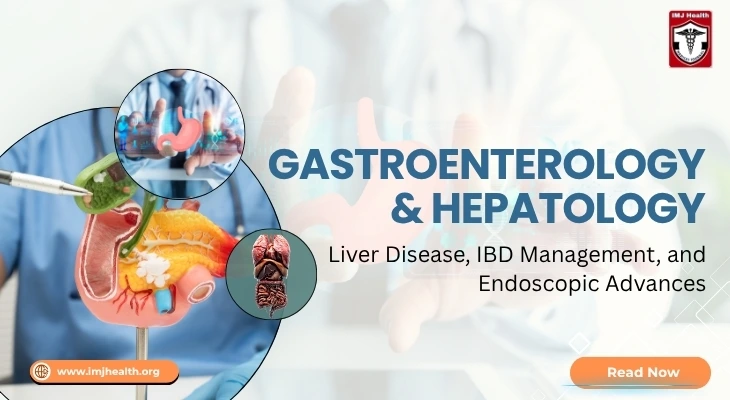
Digestive health plays a vital role in overall wellbeing, influencing nutrition, immunity, metabolism, and quality of life. Disorders affecting the gastrointestinal (GI) tract and liver continue to rise globally due to changing lifestyles, dietary patterns, alcohol consumption, metabolic conditions, infections, and genetic predisposition. From chronic liver disease and inflammatory bowel disease (IBD) to gastrointestinal cancers and digestive disorders, gastroenterology and hepatology remain central to modern healthcare.
As disease complexity increases, medical science is rapidly transforming how digestive and liver conditions are diagnosed, monitored, and treated. In 2026, advancements in gastroenterology and hepatology are reshaping patient care through precision medicine, minimally invasive procedures, advanced imaging, artificial intelligence (AI), microbiome research, and innovative therapeutic strategies. For broader context on AI's role in healthcare, see The Role of Artificial Intelligence in Medical Research.
Traditional digestive healthcare often focused on symptom management after disease progression. Today, specialists increasingly emphasize early diagnosis, preventive care, personalized treatment plans, and continuous disease monitoring. This shift is helping reduce complications, improve treatment effectiveness, and enhance long-term quality of life for patients.
Among the most significant developments are advances in liver disease management, improved treatment approaches for inflammatory bowel disease (IBD), and groundbreaking innovations in endoscopy. These advancements are improving disease detection, enabling earlier interventions, and reducing the need for invasive surgeries.
This blog explores major developments in gastroenterology and hepatology in 2026, focusing on liver disease, IBD management, and endoscopic advances and how these innovations are transforming digestive healthcare.
Understanding Gastroenterology and Hepatology
Gastroenterology focuses on diseases affecting the digestive system, including the: Esophagus, Stomach, Intestines, Pancreas, Gallbladder, and Colon.
Hepatology specializes in diseases involving: Liver, Gallbladder, Biliary system, and Pancreatic disorders related to liver function.
These specialties increasingly overlap as digestive and liver diseases often influence one another.
Common conditions include: Fatty liver disease, Cirrhosis, Hepatitis, Crohn's disease, Ulcerative colitis, Irritable bowel syndrome (IBS), Gastrointestinal cancers, and Acid reflux disorders.
Modern care increasingly emphasizes precision medicine and minimally invasive treatment. These principles align with broader trends in Innovations in Clinical Research.
Liver Disease Management in 2026
Liver disease remains a growing public health challenge.
Conditions such as metabolic dysfunction-associated steatotic liver disease (MASLD), hepatitis, alcohol-related liver disease, and cirrhosis continue increasing globally.
Early detection remains essential because liver disease often progresses silently before symptoms appear.

Better Detection of Fatty Liver Disease
Fatty liver disease has become one of the fastest-growing liver conditions worldwide.
Contributing factors include: Obesity, Diabetes, Poor diet, Sedentary lifestyles, and Metabolic disorders.
In 2026, non-invasive diagnostic technologies are improving detection.
Modern tools include: Advanced liver imaging, Elastography scans, Blood biomarkers, and AI-powered liver assessments.
These approaches reduce reliance on invasive liver biopsies.
Earlier diagnosis allows physicians to recommend interventions before irreversible liver damage occurs.
Precision Medicine for Liver Disease
Liver disease treatment is becoming increasingly personalized.
Doctors now consider: Genetic risk factors, Metabolic health, Biomarker profiles, Disease stage, and Lifestyle factors.
This enables more targeted treatment strategies and better disease management.
Personalized care is especially important for chronic liver diseases requiring long-term monitoring.
Hepatitis Management Improvements
Hepatitis treatment continues advancing.
Improved antiviral therapies are helping control viral hepatitis more effectively while reducing complications such as liver scarring and cancer risk.
Enhanced screening programs are also improving early diagnosis.
Public health efforts increasingly focus on prevention and early intervention. These efforts connect to broader public health priorities discussed in Top 10 Public Health Challenges in 2025.
Liver Transplantation Advances
Liver transplantation remains lifesaving for severe liver failure.
In 2026, innovations include: Better donor organ matching, Improved surgical outcomes, Advanced post-transplant monitoring, and Reduced rejection risks.
Researchers are also exploring regenerative medicine and bioengineered liver tissue. For related advances in regenerative medicine, see Stem Cell Therapy in 2025: Latest Breakthroughs and Clinical Trials.
These developments may help address organ shortages in the future.
Inflammatory Bowel Disease (IBD) Management in 2026
Inflammatory bowel disease continues to affect millions globally.
The two primary forms are: Crohn's disease and Ulcerative colitis.
IBD involves chronic inflammation of the digestive tract and may cause: Abdominal pain, Diarrhea, Fatigue, Weight loss, and Nutritional deficiencies.
Managing IBD has historically been challenging due to unpredictable flare-ups and treatment variability.
Modern medicine is significantly improving outcomes.
Personalized Biologic Therapies
Biologic medications have transformed IBD treatment.
These therapies target specific immune pathways driving inflammation.
Modern biologics can help: Reduce flare-ups, Promote intestinal healing, Improve symptom control, and Reduce steroid dependence.
In 2026, biologic selection is becoming increasingly personalized.
Clinicians now use biomarkers and genetic information to identify the most effective therapy for each patient.
Small Molecule Therapies
New oral medications known as small molecule therapies are offering additional treatment options.
Benefits may include: Easier administration, More targeted immune control, and Improved patient convenience.
These treatments are expanding therapeutic choices for difficult-to-manage IBD cases.
Gut Microbiome Research
The gut microbiome is becoming a major area of focus.
Researchers increasingly recognize that gut bacteria influence digestive health and inflammation.
Potential therapeutic approaches include: Personalized probiotics, Microbiome-targeted therapies, Dietary interventions, and Fecal microbiota therapies in selected cases.
Although research continues, microbiome medicine holds substantial promise. These developments are also explored in Advancements in Microbiome Research.
AI in IBD Monitoring
Artificial intelligence is helping predict IBD flare-ups.
AI systems analyze: Symptom patterns, Blood markers, Imaging findings, and Lifestyle data.
This may allow physicians to intervene before severe disease progression occurs.
Predictive medicine is helping reduce hospitalizations and complications.
Endoscopic Advances in 2026
Endoscopy remains one of the most important tools in gastroenterology.
Traditional endoscopy enables specialists to visualize the digestive tract for diagnosis and treatment.
In 2026, major innovations are making endoscopy more precise, less invasive, and increasingly therapeutic.
AI-Assisted Endoscopy
Artificial intelligence is significantly improving endoscopic accuracy.
AI systems can help identify: Polyps, Early gastrointestinal cancers, Precancerous abnormalities, and Subtle inflammatory changes.
This improves early detection and diagnostic precision.
AI-assisted colonoscopy is especially improving colorectal cancer prevention. For insights into AI diagnostics, see The Black Box of AI Diagnostics and the Problem of Liability.
Capsule Endoscopy Advancements
Capsule endoscopy technology continues improving.
Patients swallow a tiny camera capsule that captures images of the digestive tract.
Benefits include: Non-invasive evaluation, Better small intestine imaging, Reduced discomfort, and Improved diagnostic access.
This technology is increasingly valuable for obscure bleeding and inflammatory conditions.
Therapeutic Endoscopy
Modern endoscopy is increasingly therapeutic rather than purely diagnostic.
Advanced endoscopic procedures can now: Remove polyps, Stop internal bleeding, Treat strictures, Remove early tumors, and Manage bile duct disorders.
This reduces the need for traditional surgery in many cases.
Robotic and Precision Endoscopy
Emerging robotic technologies are improving procedural control.
Benefits may include: Greater procedural accuracy, Better navigation, Reduced complications, and Improved treatment precision.
These systems are especially promising for complex gastrointestinal procedures.
Nutrition and Digestive Health
Nutrition continues playing an important role in digestive and liver disease management.
Personalized nutrition plans increasingly support: Liver disease management, IBD symptom control, Digestive health optimization, and Gut microbiome balance.
Dietitians are becoming increasingly integrated into gastroenterology care teams.
Telehealth and Remote Monitoring in Digestive Healthcare
Digital healthcare continues expanding in gastroenterology.
Telemedicine helps support: Follow-up appointments, Chronic disease monitoring, Medication management, and Nutritional counseling.
Remote symptom tracking is improving patient convenience and continuity of care. These digital health approaches are also explored in Digital Therapeutics and Remote Health.
Challenges in Gastroenterology and Hepatology
Despite progress, several challenges remain.
Rising Disease Burden – Digestive and liver diseases continue increasing globally. Lifestyle-related conditions remain particularly concerning.
Treatment Costs – Advanced biologics and liver treatments can be expensive. Improving affordability remains important.
Delayed Diagnosis – Many digestive disorders still go undetected for years due to vague symptoms. Earlier screening remains essential.
The Future of Gastroenterology and Hepatology Beyond 2026
Future developments are expected to include: Precision microbiome therapies, Earlier liver disease detection, Smarter endoscopic robotics, AI-powered digestive diagnostics, and Personalized immune therapies for IBD.
Researchers increasingly aim to prevent disease progression rather than simply manage symptoms. For those considering doctoral research in this area, Top 10 Pharmaceutical Research Topics for PhD offers guidance on selecting impactful research directions.
Conclusion
Gastroenterology and hepatology in 2026 are undergoing significant transformation through advances in liver disease management, IBD treatment, and endoscopic innovation. From personalized biologics and microbiome research to AI-assisted diagnostics and minimally invasive procedures, digestive healthcare is becoming increasingly precise and patient-centered.
These breakthroughs are improving early detection, reducing complications, and enhancing quality of life for patients living with chronic digestive and liver diseases. While challenges involving access, affordability, and disease burden remain, the future of gastroenterology and hepatology is increasingly focused on prevention, personalization, and minimally invasive care.
As research and technology continue evolving, digestive healthcare is moving toward a future where patients receive earlier diagnoses, more effective therapies, and better long-term outcomes through smarter and more individualized medical approaches.
Continue Exploring Our Blog
- Advancements in Microbiome Research: The Future of Medicine
- Digital Therapeutics and Remote Health: The Rise of Software-Driven Treatments
- The Role of Artificial Intelligence in Medical Research
- Stem Cell Therapy in 2025: Latest Breakthroughs and Clinical Trials
- Top Trending Research Topics in Medical Science